Investigating how African audiovisual collections became dispersed through colonial histories, political change, conflict, and institutional relocation.
Read more ...
Restitution
Exploring practical and ethical approaches to returning access, knowledge, and authority over displaced audiovisual heritage.
Read more ...
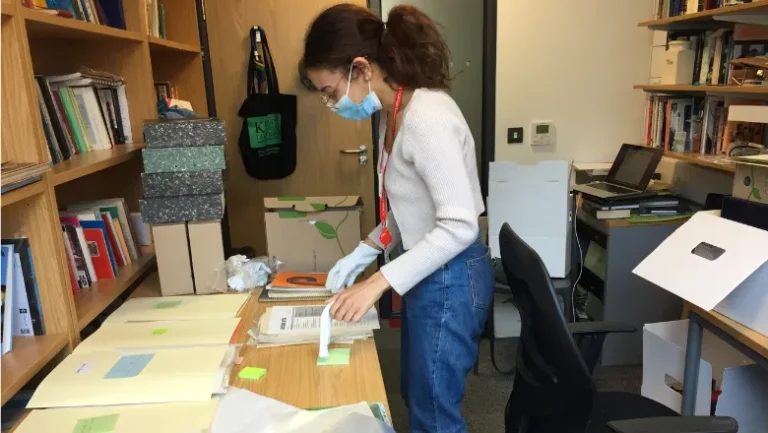
Preservation
Supporting digital preservation strategies that ensure vulnerable collections remain accessible for future generations.
Read more ...
Community Collaboration
Working alongside archivists, filmmakers, scholars, artists, and local communities to build shared knowledge and new research methods.
Read more ...
Explore
Digitization
Preserving audiovisual heritage through digitization, documentation, and long-term digital access.
Repatriation
Exploring collaborative approaches to reconnect displaced collections with their communities of origin.
Reclamation
Recovering histories, identities, and cultural memory through research, storytelling, and community engagement.
Publications
Research papers, reports, project findings, and scholarly resources from the UNREST project.
Histories
Sudan
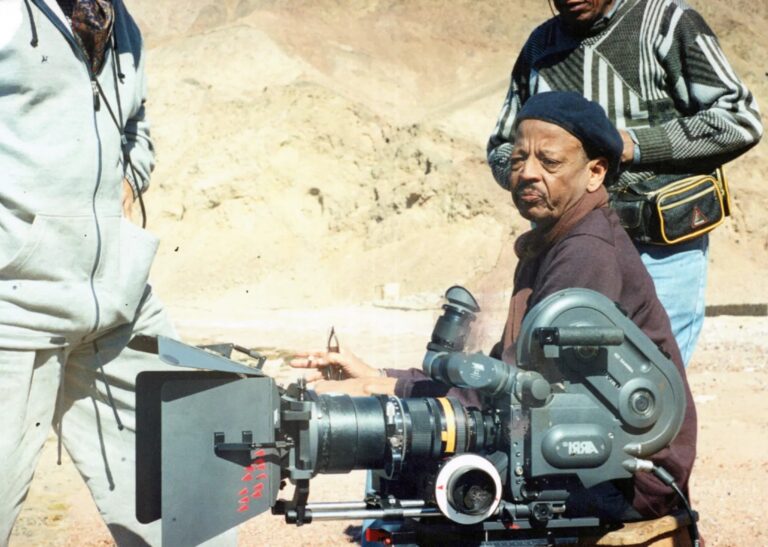
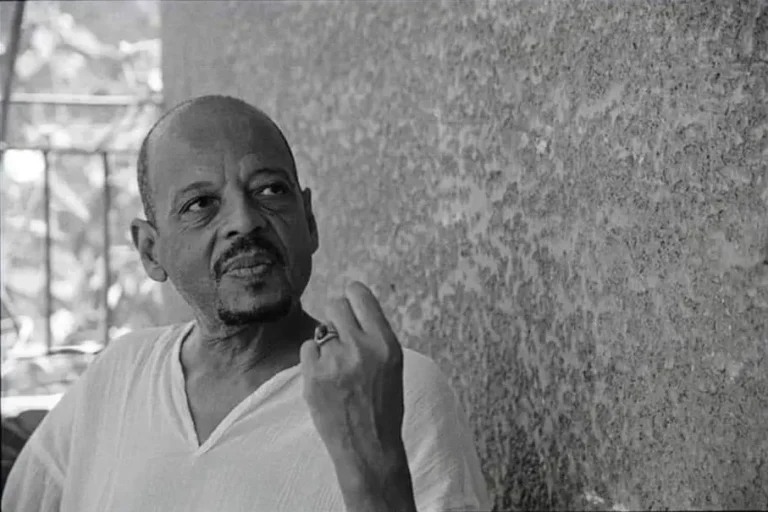
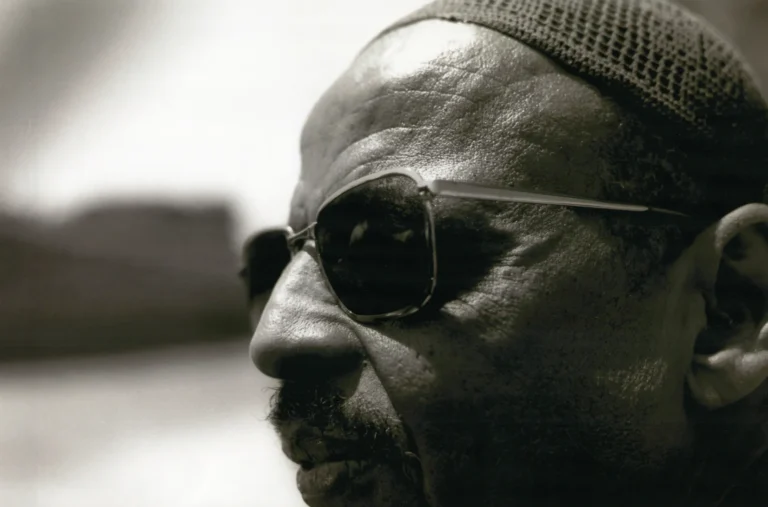
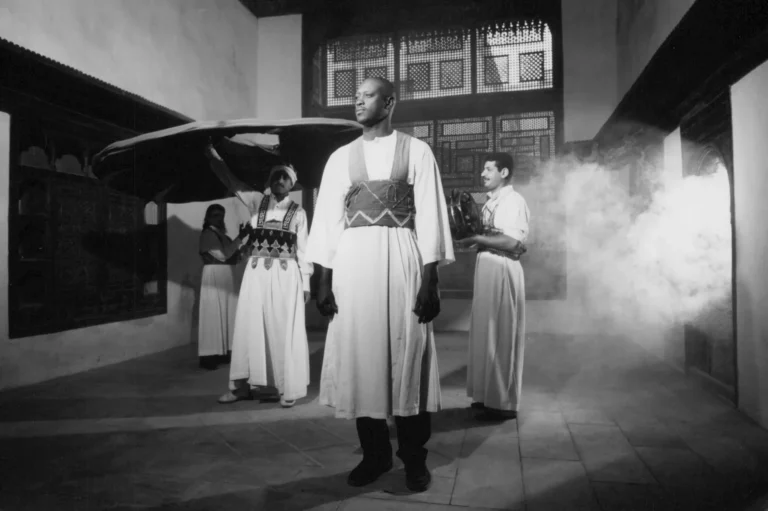
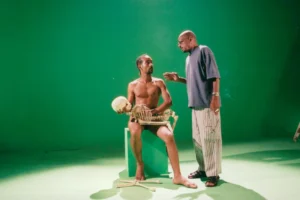
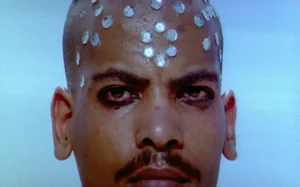
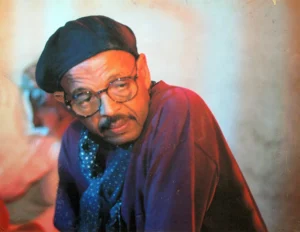
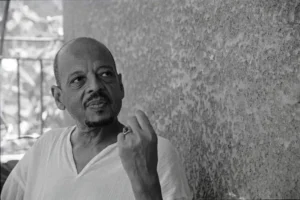
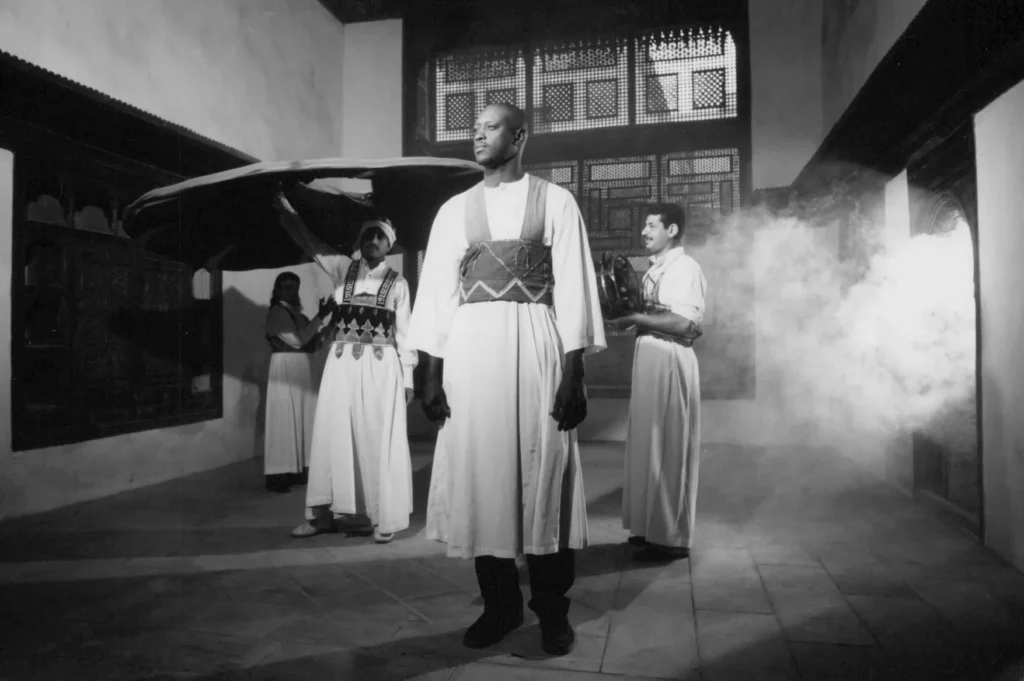
UNREST works with materials connected to Sudanese filmmaker Hussein Shariffe, examining how dispersed film collections can be documented, preserved, and reconnected through collaborative archival practice.
The project also explores Ghana's audiovisual heritage, working with partners to investigate early post-independence film collections and develop approaches for preservation, access, and digital restitution.
A new £1.1 million project funded by the Arts and Humanities Research Council will engage an international team of scholars, archivists and filmmakers in…
UNREST combines expertise from multiple disciplines to create practical and inclusive models for heritage restitution.
Archival science
Community engagement
Creative practice
Historical research
Digital humanities
Film and media studies
This interdisciplinary approach enables researchers and partners to explore not only where audiovisual heritage is located, but also how it can be responsibly preserved, interpreted, and shared
Project
at a Glance
Key facts about UNREST
Duration
January 2026 – January 2028
Funding
Arts & Humanities Research Council (AHRC)
Project Value
£1.1 million
Lead Institution
King's College London
International Partners
10 organizations . Africa • Europe • N. America
Research Focus
African audiovisual heritage, restitution, preservation & community collaboration
£1.1M
AHRC Funding
10
International Partners
3
Continents
2
Primary Case Studies
Our Collaborations
We work with researchers, institutions, and communities across the world.
Our Partners
We work with researchers, institutions, and communities across the world.
African audiovisual heritage between displacement and return
UNREST (Unhousing Restitution: African Audiovisual Heritage between Displacement and Return) is a two-year interdisciplinary research project exploring new African-led approaches to the restitution, preservation, and creative reuse of displaced audiovisual heritage. The project brings together researchers, archivists, filmmakers, and cultural institutions to investigate how moving-image collections can be reconnected with the communities and histories from which they originated.
Why UNREST ?
Throughout the twentieth century, film played a vital role in documenting anti-colonial movements, cultural life, and the formation of newly independent African nations. Yet many of these films have been lost, damaged, or remain held in archives outside Africa due to decades of colonial extraction, political instability, limited preservation resources, and institutional neglect.
UNREST responds to these challenges by developing collaborative models that place African knowledge, local expertise, and community participation at the center of audiovisual heritage restitution. Rather than focusing only on the physical return of materials, the project explores digital preservation, shared stewardship, historical research, and creative engagement as complementary pathways for reconnecting people with their cultural heritage
Our Vision
We believe audiovisual heritage is more than a historical record, it is a living cultural resource that strengthens collective memory, supports research, inspires creativity, and connects communities across generations.
By working collaboratively with African partners, UNREST seeks to develop sustainable models that make displaced collections more accessible while encouraging new forms of research, storytelling, education, and public engagement.
UNREST responds to these challenges by developing collaborative models that place African knowledge, local expertise, and community participation at the center of audiovisual heritage restitution. Rather than focusing only on the physical return of materials, the project explores digital preservation, shared stewardship, historical research, and creative engagement as complementary pathways for reconnecting people with their cultural heritage